11 Essential Life Skills for Adults: Money, Time, Health
What are the 11 essential life skills?
The 11 essential life skills are practical abilities that help people handle money, relationships, work, and everyday responsibilities with confidence. While different lists exist, these core skills show up again and again because they affect almost every part of adult life.
1) Budgeting
Planning where your money goes each month so essentials are covered, bills are on time, and goals are realistic.
2) Saving and emergency planning
Building a buffer for surprises (car repairs, medical bills) and avoiding panic spending or high-interest debt.
3) Understanding credit and debt
Knowing how interest works, how credit scores are influenced, and how to borrow only when it’s strategic and manageable.
4) Basic cooking and nutrition
Preparing simple, balanced meals to support health and reduce reliance on expensive takeout.
5) Household management
Cleaning routines, laundry, organizing, and keeping a home functional so small messes don’t turn into big stressors.
6) Basic home and car maintenance
Handling simple fixes (changing filters, checking tire pressure) and knowing when to call a professional.
7) Time management and prioritization
Choosing what matters most, breaking tasks into steps, and creating routines that prevent last-minute chaos.
8) Communication skills
Listening well, asking clear questions, and expressing needs respectfully in personal and professional situations.
9) Emotional regulation and stress management
Recognizing triggers, calming your body and mind, and responding thoughtfully instead of reacting impulsively.
10) Media and digital literacy
Spotting misinformation, protecting privacy, and making safe choices online with accounts, passwords, and sharing.
11) Problem-solving and decision-making
Evaluating options, weighing trade-offs, and learning from outcomes to make better choices over time.
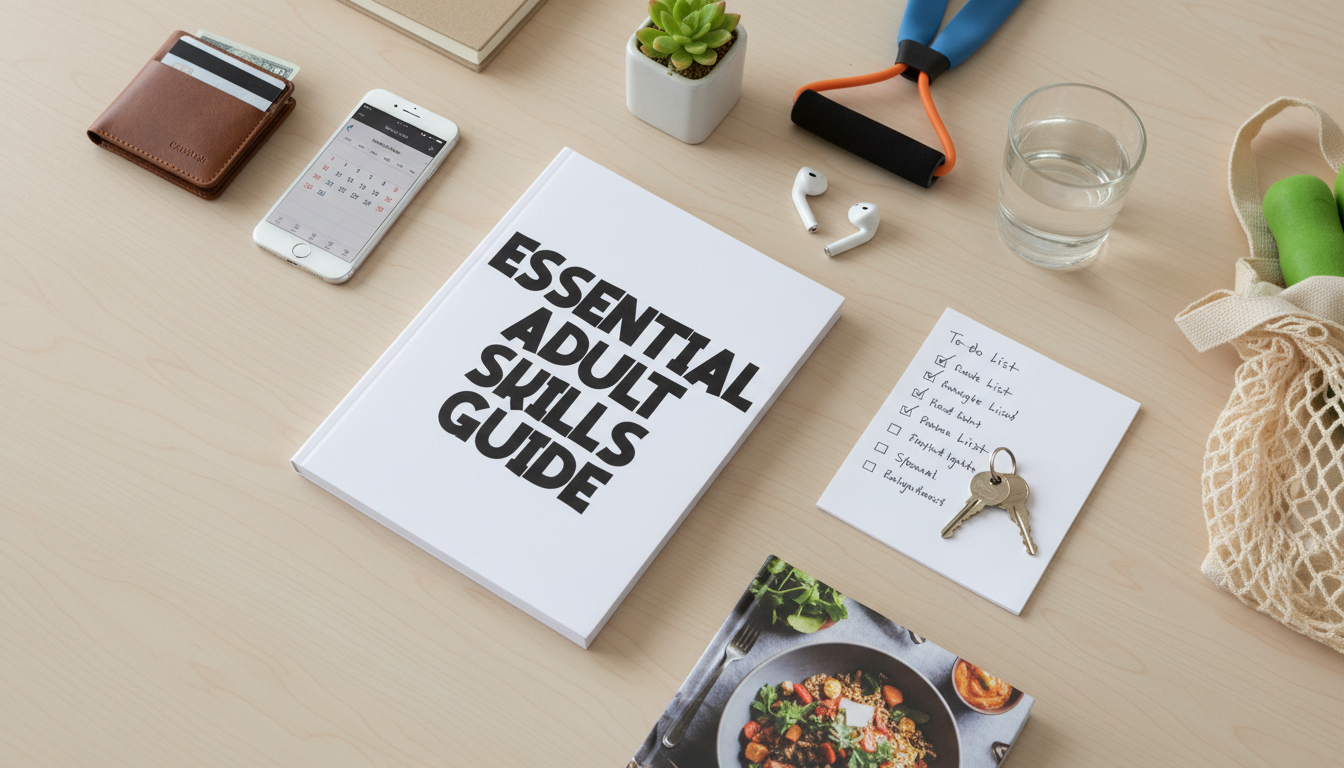
For a deeper, step-by-step breakdown of foundational adult skills—especially budgeting, communication, and media literacy—visit this essential adult skills guide.
FAQ
How can I practice budgeting if my income is irregular?
Start with your minimum monthly essentials, then base your plan on a conservative “low-income month” estimate. In higher-income months, prioritize catching up on true expenses, building an emergency fund, and smoothing future months with a dedicated buffer.










Leave a comment