Positive Parenting Tips: Scripts, Boundaries, Calm

Positive Parenting Tips That Actually Work: Gentle Guidance and Empathic Communication
Positive parenting is built on connection, clear boundaries, and teaching real-life skills—without fear, shaming, or harshness. It’s not about being “perfect” or never feeling frustrated; it’s about choosing tools that reduce power struggles and increase cooperation over time. The goal is a home where kids feel safe and respected, and parents feel steady and effective—during rushed mornings, homework friction, sibling conflict, and bedtime pushback.
What Positive Parenting Means (and What It Doesn’t)
Positive parenting prioritizes safety, respect, and skill-building over punishment and control. It pairs warmth with firm limits: kindness and boundaries at the same time. That’s an important distinction, because gentle guidance does not mean permissiveness.
- It’s not “anything goes.” Saying “yes” to feelings does not mean saying “yes” to unsafe behavior.
- It’s coaching, not controlling. The focus is on regulation, problem-solving, and repair—skills kids carry into school, friendships, and adulthood.
- It’s age-appropriate. Expectations match development; behavior is treated as communication, not character.
For evidence-based guidance on what helps kids thrive, see the CDC Essentials for Parenting and the American Academy of Pediatrics positive parenting tips.
The 5 Positive Parenting Skills to Practice Daily
These five skills work best when they’re small, consistent, and practiced during calm moments—not only during blowups.
Five skills with quick examples
| Skill | What it looks like | Try this short script |
|---|---|---|
| Connection first | 10–60 seconds of full attention before giving directions | “I’m here. Tell me what’s hard right now.” |
| Emotion coaching | Validate feelings while holding limits | “You’re mad. Hitting isn’t okay. Let’s stomp or squeeze a pillow.” |
| Clear boundaries | Rules stated briefly; follow-through without lectures | “Markers are for paper. If they go on the wall, markers take a break.” |
| Positive reinforcement | Praise is specific, focused on effort/impact | “You put your shoes by the door—thank you for helping mornings go smoother.” |
| Repair & accountability | Calm reflection after conflict; practice making amends | “What happened? What can we do to fix it?” |
Parents also need support staying regulated. If stress is running high, practical coping strategies from the American Psychological Association on parenting stress can make it easier to use these skills consistently.
Empathic Communication: A Simple 4-Step Framework
Empathic communication reduces defensiveness and helps kids learn language for feelings and needs. Keep your sentences short; calm tone matters more than perfect wording.
- Observe: Describe what’s happening without labels. (Skip “lazy,” “dramatic,” or “bad.”)
- Name feelings: Reflect emotions to lower intensity: frustrated, worried, left out, disappointed.
- Name needs: Identify the underlying need: rest, autonomy, attention, fairness, predictability.
- Offer choices + next step: Two acceptable options builds cooperation and reduces power struggles.
Example: “I see your backpack is still on the floor (observe). You seem annoyed (feeling) because you want downtime after school (need). Do you want to hang it up now or after a five-minute snack break (choices)?”
Gentle Parenting Scripts for Common Flashpoints
Scripts aren’t magic words; they’re a shortcut to staying calm and consistent.
- Morning rush: “We’re leaving in 10 minutes. Do you want to get dressed before or after breakfast?”
- Homework resistance: “This feels big. Let’s do 5 minutes together, then you choose a short break.”
- Sibling conflict: “I won’t let you hurt each other. Tell me what you wanted, one at a time.”
- Public meltdown: “You’re safe. I’m staying close. We’ll talk when your body is calmer.”
- Bedtime battles: “It’s hard to stop playing. Two choices: one story now or two short stories tomorrow.”
Boundaries Without Punishment: What to Do Instead
Boundaries work when they’re clear, predictable, and calmly enforced. Instead of punishments that create fear or resentment, aim for consequences that teach.
- Natural/logical consequences: Tie the outcome to the behavior (not shame). “Food stays at the table.”
- Pre-correct: Before transitions, remind expectations: “At the store, we stay by the cart.”
- Offer a reset: Water, snack, movement, or a quiet corner when dysregulation is high.
- Keep follow-through brief: Long lectures often fuel escalation and invite debate.
- Separate the child from the behavior: “You’re a good kid having a hard moment.”
When Kids Don’t Listen: The Overlooked Reasons
“Not listening” often means something else is getting in the way. Try troubleshooting before repeating yourself louder.
- The request is too big or vague: Make it one step: “Shoes on,” then “Backpack by the door.”
- Dysregulation: Hungry, tired, overstimulated kids can’t access cooperation. Regulate first; teach later.
- Need for autonomy: Offer choices and involve them in planning routines.
- Connection-seeking: Attention-seeking is often connection-seeking; add proactive attention.
- Skill gap: If expectations exceed skills, teach the skill during calm times with practice.
A Simple Weekly Practice Plan (10 Minutes a Day)
- Day 1: Pick one boundary and state it in one sentence; practice calm follow-through.
- Day 2: Add one daily connection ritual (two-minute check-in, play, or snuggle).
- Day 3: Use emotion words twice; reflect feelings before correcting behavior.
- Day 4: Replace one “no” with a “yes + limit” (“Yes, you can play—after shoes are on.”).
- Day 5: Practice repair after a hard moment; model apologizing without over-explaining.
- Days 6–7: Review what worked; keep one change and drop the rest to avoid overload.
A Practical Resource for Busy Parents
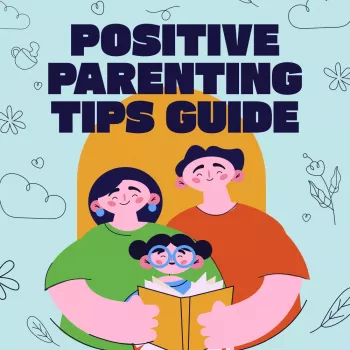
- Positive Parenting Tips Guide | Gentle Parenting eBook | Empathic Communication | Digital Download for Moms & Dads
- Conflict-Resolution Workbook for Couples | Printable Relationship Communication eBook | Improve Listening, Resolve Arguments, Rebuild Trust
- Fuel Your Life: The Ultimate Healthy Eating Starter Bundle | 4-in-1 Bundle Digital Download | Healthy Eating PDF + Audio
FAQ
What are the 5 positive parenting skills
The five skills are connection first (brief attention before direction), emotion coaching (name feelings while holding limits), clear boundaries (simple rules with calm follow-through), positive reinforcement (specific praise for effort/impact), and repair/accountability (reflect, apologize, and make amends after conflict).










Leave a comment