Travel Security: Scam-Proof Your Phone, Cards & Accounts
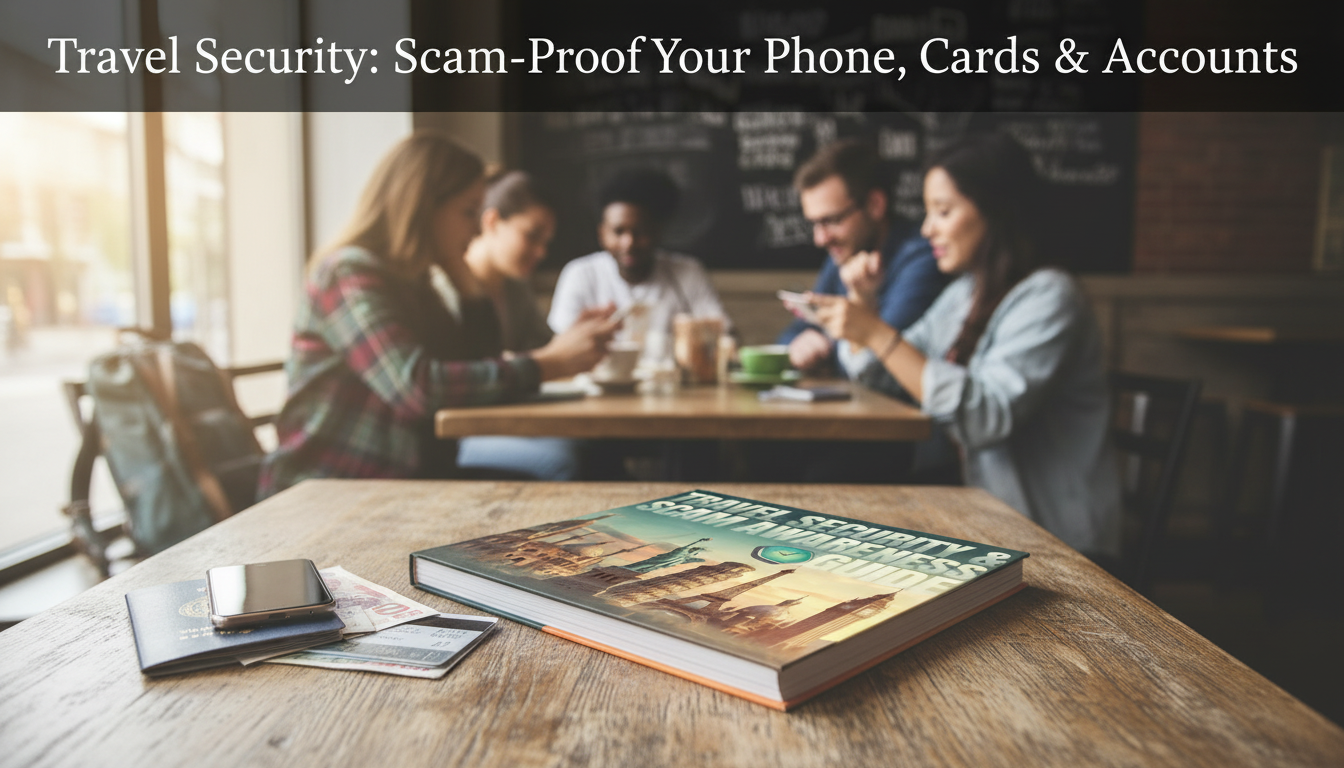
Travel Security & Scam Awareness: a practical digital safety handbook for real trips
Travel safety today is as much about phones, logins, and payments as it is about locks and luggage. The best protection isn’t paranoia—it’s repeatable routines that reduce rushed decisions in the exact moments scammers target: arrivals, check-ins, crowded transit, and late-night returns. Use the guidance below to protect personal data, money, and accounts before departure, in transit, at the hotel, and while out exploring.
The modern travel risk map: where scams and digital threats happen
Most travel fraud clusters around “high-friction” moments: you’re tired, distracted, or dealing with unfamiliar systems. That’s why arrivals, ticket kiosks, taxi stands, crowded stations, and check-in lines attract scammers. Digital exposure also spikes on shared Wi-Fi, public charging ports, QR codes, and unfamiliar payment terminals.
Across countries and cultures, the common thread is social engineering: urgency (“right now or you’ll miss your ride”), authority (fake police or “hotel staff”), and “helpfulness” (someone offering to assist at an ATM). Solo travelers may feel pressure to accept help; business travelers are more likely to face targeted account compromise and opportunistic device theft. A useful default rule: slow down any request involving money, codes, devices, or identity.
| Scenario | Typical scam or risk | Fast protection step |
|---|---|---|
| Airport arrivals | Unofficial taxi/ride offers, “helpful” baggage handlers, fake fee claims | Use official queues/apps; confirm fare in-app or at kiosk; keep bags in sight |
| Public Wi‑Fi | Account takeover via rogue hotspots and sniffing | Use cellular when possible; avoid logging into banking; enable VPN and 2FA |
| Hotel check-in | Fake front desk calls requesting card details | Hang up; call the hotel number from a trusted source; never share one-time codes |
| ATMs | Skimmers, shoulder-surfing, “assistance” scams | Choose bank ATMs; cover keypad; decline help; set withdrawal alerts |
| QR codes | Phishing payment pages and fake menus | Verify URL before paying; use official apps; avoid entering card details on unknown domains |
| Street offers | Petitions, bracelet/rose gifts, “friendly” photo help | Keep moving; hands visible; a firm “no”; avoid accepting items |
Before you leave: lock down accounts, devices, and documents
Most expensive travel messes start before the trip. A tighter setup makes it harder for criminals to pivot from a stolen phone to your email, banking, or work accounts.
- Enable multi-factor authentication on email, banking, travel apps, and cloud storage. When possible, prefer an authenticator app over SMS.
- Update phone and laptop operating systems, remove unused apps, and audit permissions (location, contacts, microphone).
- Use a strong passcode (not a 4-digit PIN), enable biometric unlock, turn on auto-lock, and activate “Find My” device tracking.
- Back up photos and essential files. Store encrypted copies of passport/visa/insurance separately from your main device.
- Prepare a “lost device” plan: backup codes, carrier contact info, and bank international numbers saved offline.
If you want a structured, step-by-step plan you can revisit before each trip, see Travel Security & Scam Awareness Guide | Digital Safety Handbook for Tourists, Solo Travelers & Business Trips.
Airport-to-hotel routines that prevent the most expensive mistakes
Arrivals are where “open wallet” moments multiply. Build a simple flow and stick to it.
- Keep boarding passes, IDs, and cards out of sight except when needed. Don’t sort money in public.
- Use official transport channels: hotel-arranged pickup, vetted rideshare, or licensed taxi stands.
- Avoid accepting help at kiosks or ATMs. If you genuinely need assistance, ask uniformed staff at a service desk.
- At check-in, verify the hotel name and address. Property-swap scams rely on rushed arrivals and “overbooking” claims.
- Use a secondary lock or door wedge if available, and don’t open the door to unexpected “maintenance” requests.
Digital safety on the move: Wi‑Fi, Bluetooth, QR codes, and charging
Travel tech risk usually isn’t “hacking” in a movie sense—it’s exposure. Reduce how often your device is discoverable, and assume public networks are hostile.
For broader traveler advisories and country-specific updates, check the U.S. Department of State — International Travel. For general cybercrime awareness, Europol’s resources are a solid reference: Europol — Advice on Cybercrime and Online Safety.
Payments and identity: cards, cash, ATMs, and contactless risks
Social engineering red flags and calm responses
Travel can be stressful, and stress increases compliance. If you’re traveling with a partner and want a practical way to communicate under pressure, consider Conflict-Resolution Workbook for Couples | Printable Relationship Communication eBook | Improve Listening, Resolve Arguments, Rebuild Trust.
If something goes wrong: immediate steps for cards, phones, and accounts
A compact checklist you can keep on your phone (or print)
For travelers who like templates they can reuse, the Travel Security & Scam Awareness Guide | Digital Safety Handbook for Tourists, Solo Travelers & Business Trips consolidates checklists, red-flag scenarios, and response plans in one place. If you also want a simple routine to keep your energy steady across time zones and long days, Fuel Your Life: The Ultimate Healthy Eating Starter Bundle | 4-in-1 Bundle Digital Download | Healthy Eating PDF + Audio can help support better on-the-road decisions.
FAQ
Is it safe to use public Wi‑Fi while traveling?
Public Wi‑Fi is risky because rogue hotspots and traffic interception can expose logins. Use cellular data for sensitive accounts when possible, disable auto-join, and use a VPN plus 2FA to reduce takeover risk.
What should be done first if a phone is stolen abroad?
Lock the device immediately using lost mode and contact your carrier to block the SIM. Then change your email password, revoke unknown sessions, and contact your bank to freeze cards and monitor for fraud.
How can common street scams be avoided without creating conflict?
Use calm, simple refusals, don’t accept items, and keep moving without debating or arguing. If pressure continues, head to a staffed location like a hotel lobby or bank and ask personnel for help.







Leave a comment